Friday, March 27, 2015

Blog Set 11: Madness and Lost Love

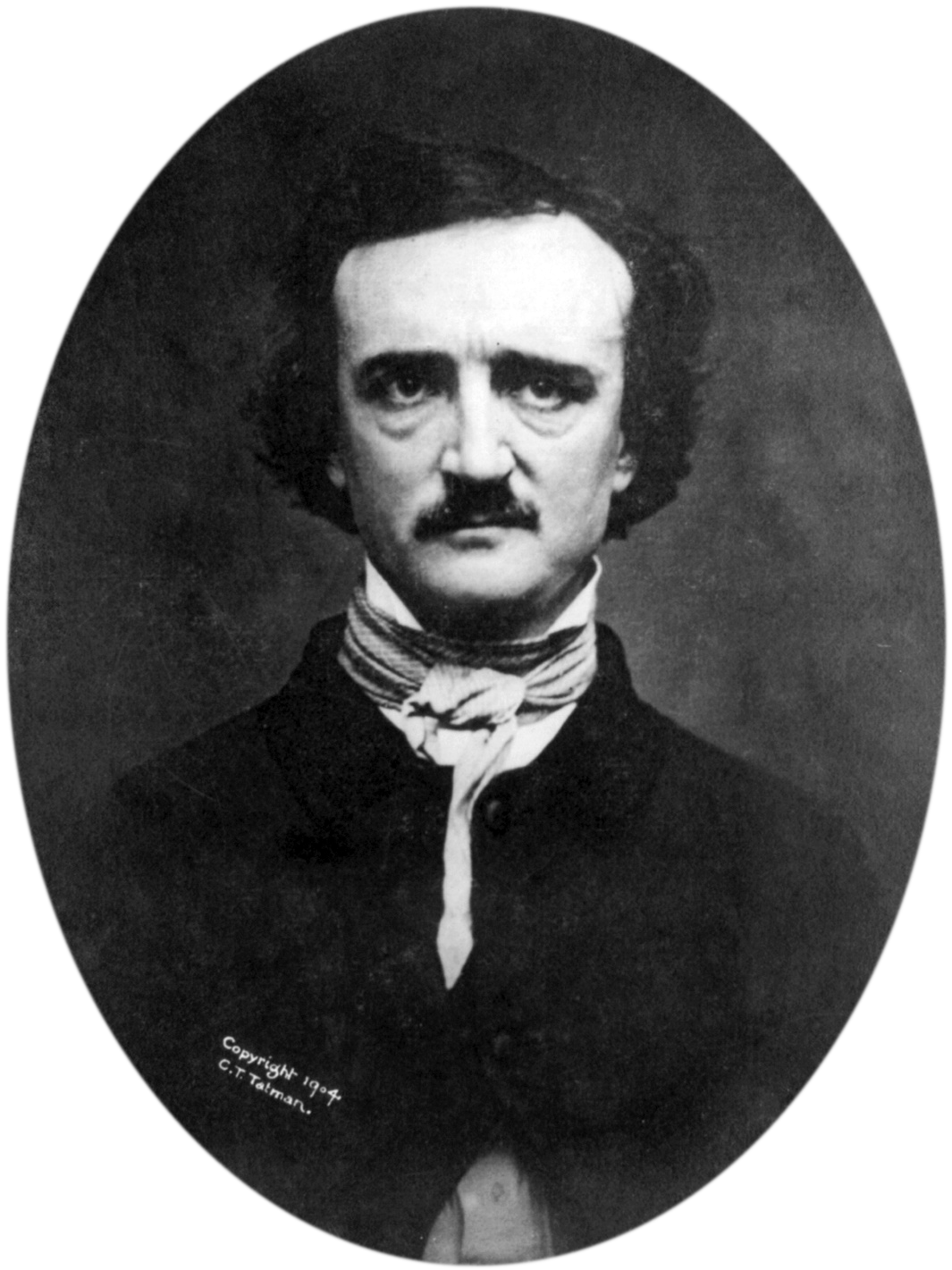
Write an imaginary interview between you and Egaeus from Edgar Allan Poe's story "Berenice." What would you ask him about what happened to Berenice? What else do you wonder? Answer the questions as Egaeus.

O. Henry once said “I would like to live a lifetime on each street of New York. Every house has a drama in it.” How does "The Furnished Room" reflect his view of city life?


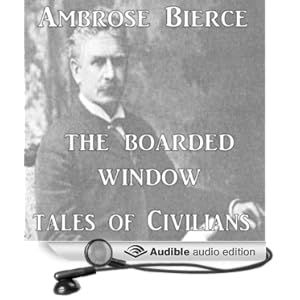
Does "The Boarded Window" by Ambrose Bierce involve the supernatural or not? Use evidence from the story to support your claim. 

Thursday, March 19, 2015

Blog Post 10: Hauntings


Clearly the story poses problems of reading and interpretation. Can the story be read as a "realist" tale, or is it a symbolist tale or allegory? Is it a comment on the values and lifestyle of a degenerate and aesthetic aristocracy? Or is it a form of psychological encounter and, if so, who and what is being encountered? Is it meant to be interpreted at all, or is it simply a journey into the world of the Imagination (echoing the importance of art, music and literature within the tale, as means to an alternative reality)? 

Modern haunted houses in literature, film, cartoons, and even amusement parks owe a debt to "The Fall of House of Usher," which showcases one of the first haunted houses to appear in American literature. What stereotypes of a haunted house are present in the story?

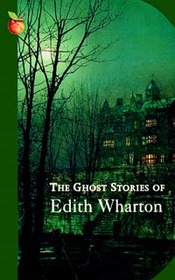
"Afterward" by Edith Wharton, 1910


"Afterward" is considered to be American Gothic.

American Gothic is defined by Aldona Witkowska as:
"American Gothic constitutes the darker side of Romanticism. Its nature was accurately captive by Leslie Fiedler "American fiction became 'bewilderingly and embarrassingly, a gothic fiction, non-realistic, sadist and melodramatic- a literature of darkness and the grotesque in a land of light and affirmation.'" 

American Gothic arose in the world of optimism, in the country filled with vision of freedom and endless happiness. As Eric Savoy rightly noticed, this paradox has its explanation in the history of the United States. It shows the other side of the coin, the nightmare which hides under the "American dream". In the world of American Gothic the ghosts of the past never sleep and constantly haunt the present. 

American Gothic writers did not have spooky old castles, monasteries and legends like their European "professional colleagues", but they did have: the frontier, Puritan legacy, slavery and political utopianism. Puritan's heritage was the consciousness of good and evil coexistence, the sense of guilt and fear from the Day of Judgment. Outwardly optimistic character of utopianism, in turn entailed less optimistic consequences, like: undisciplined rule of majority, rule of the mob or the danger of collapse."

In what ways does "Afterward" conform to this definition? In what ways does it differ?


Tuesday, March 17, 2015

Blog Set 9: For Real. Poe.

What feelings, emotions, and mood does Poe attempt to communicate in "The Raven"?

How would you describe the overall tone of "Annabel Lee"? How does the rhythm of the poem affect the tone? 


Monday, March 2, 2015

Blog Set 9: Fantasy

I.

After watching The Lord of the Rings: The Fellowship of the Ring consider the following and respond in your blog:


Tolkien said that fairy tales have three functions:

Recovery: Think about the portrayal of the Shire. What sense was Tolkien trying to recover? Can you think of any other concepts that the film helps to recover that may seem missing from our world?

Escapism: Myths transport us to another reality in which we are able to think freely. How did seeing the film change your perspective on the reality of your world?

Consolation: 'It is a sudden and miraculous grace that is in fact evangelism, giving a fleeting feeling of Joy, Joy beyond the walls of the world, poignant as grief . . .' What elements of the film made you feel joyful?

(questions from the Damaris Film & Bible blog: http://www.damaris.org/film-and-bible-blog/2840)


II. 
After viewing Ever After, consider the following and respond in your blog: 

1. Bruno Bettelheim, a scholar who has studied fairy tales, contends that the dark and threatening figures in fairy tales should not be sanitized; that children make use of them to work through their fears and primitive emotions. Do you agree or disagree?

2. What is the childhood fear that the Cinderella fairy tale explores?

3. Name some other fairy tales and talk about the fears or concerns of childhood that they explore. What about: Hansel and Gretel, Beauty and the Beast, Sleeping Beauty, or Snow White and the Seven Dwarfs?

    (questions taken from Teach With Movies, http://www.teachwithmovies.org/guides/ever-after.html)